Trading is Simple and Effective When You Follow the Right Strategy
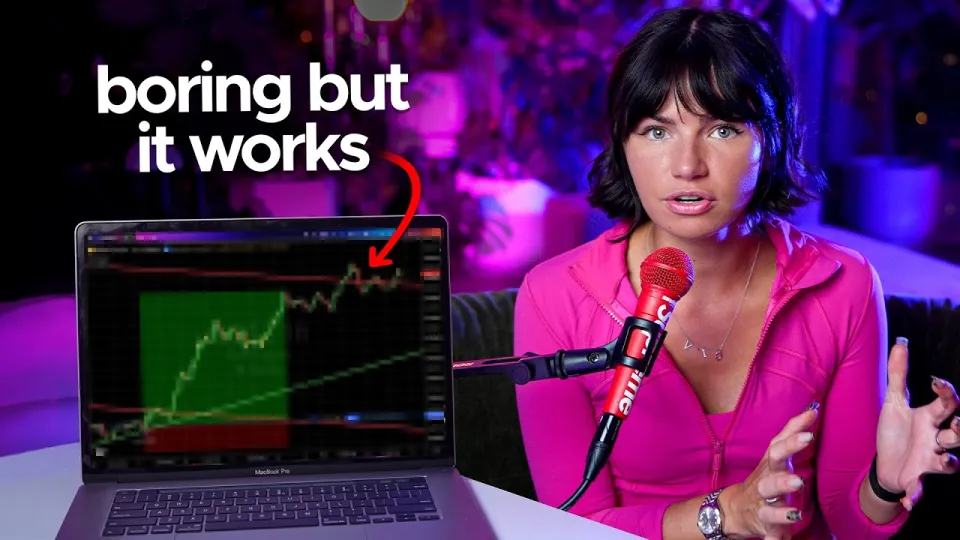
Video: Unfortunately, trading really is this simple
Want articles like this for your own video to promote it on YouTube and Google? Order them through the Telegram bot @sat_sit_bot. The bot writes and publishes the articles itself (with your YouTube video embedded) on popular topical websites (no ads). Try it free: 50 articles on us.
· based on the channel Tori Trades
Trading is often perceived as complex and intimidating, but it can actually be simple and effective if you follow a straightforward strategy. Trading involves identifying clear trends, making disciplined entries and exits, and managing risk carefully. You don't need to be a financial expert or have advanced mathematical skills to be successful. For those interested, signing up on the Tori Trades waitlist offers access to valuable trading insights and system guides.
The Basics of Trading and Why Simplicity Works
Trading is about buying and selling assets like futures, forex, or stocks with the goal of making a profit from price movements. Complexity often arises from over-analyzing or relying on too many indicators. However, a simple strategy focusing on trendlines and price action can consistently work. Trendlines help traders identify support and resistance levels, signaling potential entry and exit points.
- Draw trendlines connecting recent highs or lows on your chart.
- Wait for price to approach these lines and observe how it reacts.
- Enter a trade when price respects the trendline and shows momentum in your direction.
- Place your stop loss slightly beyond the trendline to protect against unexpected moves.
This approach avoids confusion and keeps trading decisions clear and objective.
Using Trendlines to Trade Futures Successfully
Trendlines are a powerful tool in futures trading due to the markets’ volatility and liquidity. For example, gold futures can shift from slow to extremely fast moves within seconds. Recognizing the trend and its "bend" or reversal point is crucial.
Steps to apply trendlines effectively:
- Identify the primary trend direction on a higher timeframe.
- Draw trendlines connecting key swing points.
- Monitor price action near these lines for bounces or breakouts.
- Be prepared to exit quickly if the trendline breaks or price behavior changes.
This method allows traders to capture swings in futures markets while limiting losses when the market turns unexpectedly.
Risk Management and Stop Loss Placement
Effective trading requires managing risk on every trade. Placing stops is a key part of this. According to feedback from traders, stops should be placed just beyond the trendline bounce point to avoid getting stopped out by normal price fluctuations.
General guidelines for stops:
- Measure the distance between entry and recent swing lows or highs.
- Set stops a few ticks or points beyond the trendline to allow normal volatility.
- Adjust stop sizes according to the volatility of the instrument, e.g., gold futures are more volatile and may require wider stops.
Managing risk protects your capital and allows you to trade another day, which is essential for long-term success.
Common Trading Questions and Challenges
Many traders wonder how to handle sudden market volatility or when to re-enter after exiting a trade. The futures market can be fast and unpredictable, requiring constant monitoring and quick decision-making.
- If a candle closes green and price moves up after an exit, it might present a new entry opportunity, but always confirm with trendline and price action signals.
- Market conditions differ between stocks and commodities; futures often have more liquidity and volatility, impacting trade management.
- Using tools like TradeZella for tracking trades can improve discipline and help analyze your performance over time.
Useful Links for Traders
- Join the Tori Trades waitlist for exclusive trading system access
- Track your trades efficiently with TradeZella (use code TORI20 for a discount)
- Consider TradeStation as a broker for futures trading
Conclusion
Trading can be simple and effective if you use clear, disciplined strategies based on trendlines, price action, and risk management. This approach does not require advanced degrees or complex math but demands patience and consistent practice. The Tori Trades channel offers practical guidance and proven systems that help traders succeed in futures and other markets. To start improving your trading journey, consider joining the Tori Trades waitlist and test the strategies yourself on platforms like TradingView.
Key takeaways
- Successful trading does not require a finance degree or advanced math skills.
- Trendlines and simple entry-exit rules form the basis of effective trading.
- Risk management and stop placement are critical to protect your capital.
- Volatility in futures markets like gold requires quick decision-making.
- Tracking and reviewing trades improves consistency and results.
Questions & answers
Do I need a finance degree or advanced math to be successful in trading?
No, trading can be simple and effective without a finance degree or advanced math skills. Clear strategies using trendlines and price action can guide profitable trades.
How should I place stop losses when trading with trendlines?
Stops should be placed slightly beyond the trendline bounce point to allow for normal price fluctuations and protect against unexpected market moves, adjusting for instrument volatility.
Is trading futures more volatile than stocks?
Yes, futures markets like gold can be highly volatile, often moving quickly within seconds. This requires quick decision-making and active trade management compared to stock trading.
What should I do if the price reverses right after I exit a trade?
If price shows a strong reversal with a green candle after exit, it could be a new entry opportunity. However, always confirm with your trendline strategy and price action before re-entering.
Source: Unfortunately, trading really is this simple · Markdown version